How Can I Prevent Cavities? Simple Tips for a Healthier Smile
Cavities are among the most common dental problems, but the good news is that many cavities can be prevented with consistent oral hygiene and regular dental care. Tooth decay develops when bacteria in the mouth feed on sugars and produce acids that gradually weaken the tooth enamel. Over time, this can result in cavities, sensitivity, pain, and sometimes infection.
Whether you are an adult, teenager, or parent caring for a child, adopting a few simple habits can significantly reduce the risk of tooth decay.
1. Brush Your Teeth Twice a Day
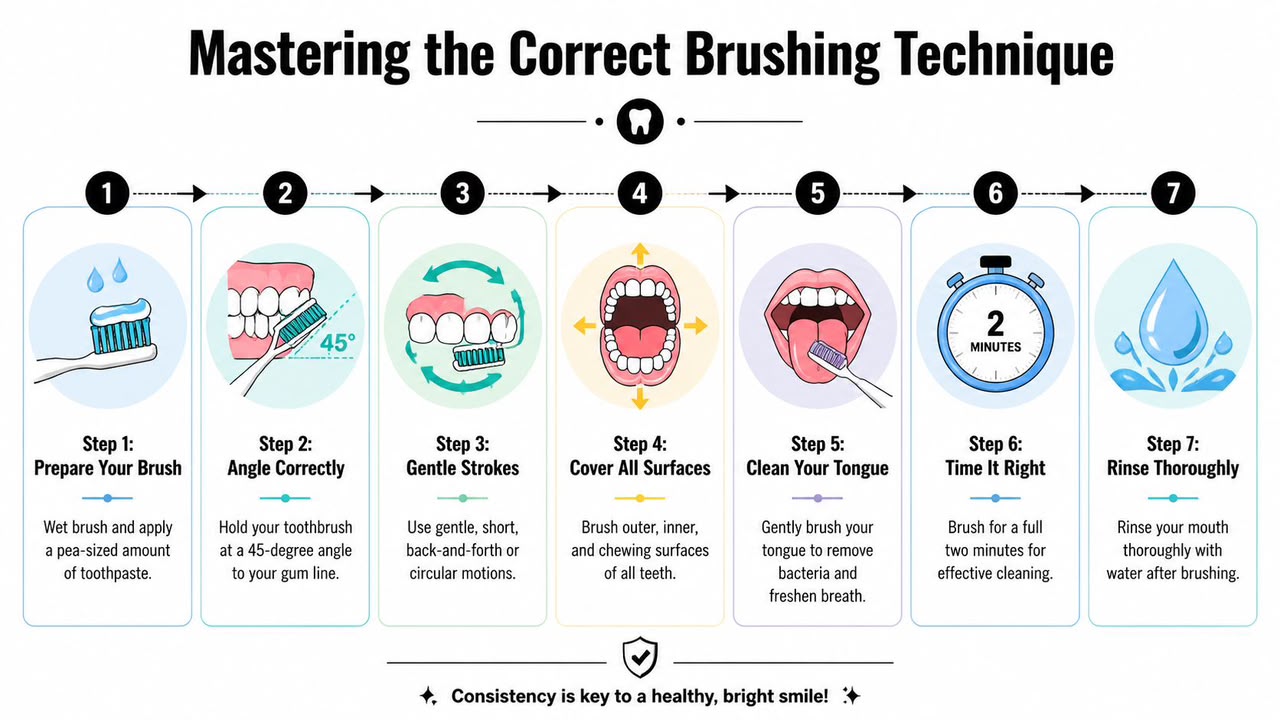
Brushing is one of the most important steps in preventing cavities. Brush your teeth twice daily for about two minutes, preferably once in the morning and once before going to bed.
Use a soft-bristled toothbrush and fluoride toothpaste. Brush gently along the front, back, and chewing surfaces of your teeth, paying particular attention to areas where plaque tends to accumulate.
2. Don’t Forget to Clean Between Your Teeth
A toothbrush cannot effectively clean every space between your teeth. Food particles and plaque can accumulate in these areas and increase the risk of cavities.
Flossing or using another suitable interdental cleaning method once a day can help remove plaque from areas that brushing may miss. If you are unsure which method is appropriate for you, ask your dentist for guidance.
3. Reduce Frequent Sugary Snacks and Drinks
The amount and frequency of sugar exposure can influence your risk of tooth decay. Sweets, soft drinks, packaged juices, and frequent sugary snacks can provide fuel for cavity-causing bacteria.
Try to limit sugary foods and drinks, particularly between meals. Choose water more often and maintain a balanced diet containing nutritious foods.
4. Drink Plenty of Water
Water helps rinse food particles from your mouth and supports normal saliva production. If your local water supply contains fluoride, it may also contribute to cavity prevention.
After eating, drinking water can be a simple way to reduce the amount of food residue left in your mouth.
5. Don’t Ignore Dental Check-Ups
Even excellent home care cannot replace professional dental examinations. Regular dental visits allow your dentist to identify early signs of tooth decay and other oral health concerns before they become more complicated.
Professional cleaning can also help remove plaque and tartar that regular brushing cannot completely eliminate.
6. Protect Your Teeth With Fluoride
Fluoride helps strengthen tooth enamel and makes teeth more resistant to acid attacks. Fluoride toothpaste is a simple and effective part of daily cavity prevention for most people.
Depending on your individual risk of tooth decay, your dentist may recommend additional fluoride treatments or other preventive measures.
7. Take Extra Care If You Have a Higher Cavity Risk
Some people are more prone to cavities because of factors such as dry mouth, certain medications, frequent snacking, previous tooth decay, or difficulty maintaining oral hygiene. If you frequently experience cavities, speak with your dentist about a personalized prevention plan.
Keep Your Smile Cavity-Free
Preventing cavities is largely about consistency. Brush twice daily, clean between your teeth, limit frequent sugar intake, drink water, use fluoride toothpaste, and visit your dentist regularly.
Good oral hygiene today can help protect your teeth for years to come. If you notice tooth sensitivity, pain, visible spots, or a hole in a tooth, schedule a dental examination rather than waiting for the problem to worsen.